برچسب: قرارداد ۲۵ ساله ایران و چین

  • Larijani stepped back

    Larijani stepped back

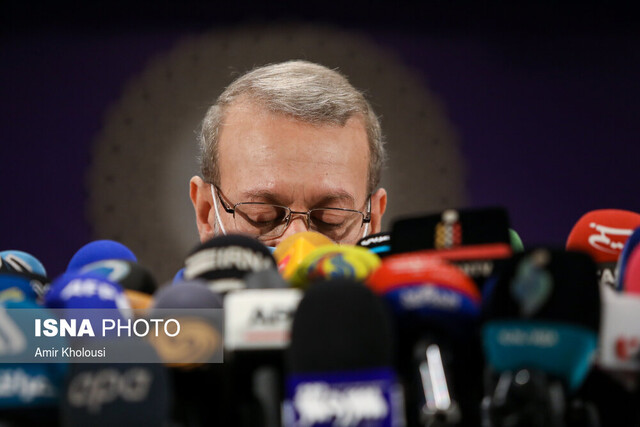
    Some relatives of Ali Larijani, the “executor of the 25-year Iran-China agreement”, announced his resignation from the post several months after Seyed Ibrahim Ra’isi was elected as the head of the 13th government. Decisions were made.

    According to ISNA, for the first time with the visit of the President of the People’s Republic of China Xi Jinping to Iran in 2015, talks were held for a 25-year contract between the two countries in Private circles arose, but four years later no one spoke of the agreement, nor did the media publish any new news about it. And perhaps this was one of the reasons for the cross-sectional transfer of the contract file from the table of the two countries to the document storage drawer, although some theoretical experts argue otherwise.
    Since 2009, with the withdrawal of the United States from the UN Security Council and the imposition of various sanctions against Iran, attention has turned to this unfinished agreement, and the treaty between the two countries was discussed again, leading to the exchange of several draft texts. It was from here that the name of Ali Larijani first came to the attention of observers about this agreement; In August 2009, when he was speaker of the Islamic Consultative Assembly, he announced that Iran had drawn up a 25-year cooperation plan with China. The then President Hassan Rouhani also reviewed and approved the final draft of the 25-year comprehensive cooperation plan between the two countries on July 22, 2016 at a cabinet meeting. At that meeting, the State Department was instructed to sign the program during the final negotiations with the Chinese side, based on long-term mutual interests. Eight months later, on April 27, 1400, the document was signed by Mohammad Javad Zarif and Wang Yi, the foreign ministers of Iran and China.
    With the official announcement of the signing of this agreement, criticism and support for its more or less announced provisions increased; Some argued that Article 77 of the Constitution had been violated and that the agreement was similar to the Qajar treaties, while others defended it, emphasizing that at the current stage of the agreement a strategic framework for cooperation had been developed and did not include the figures in question. And these cases will be developed in the form of specific contracts in the future.
    Apart from criticizing the content and provisions of the agreement, another reason for the media and political currents to pay attention to the agreement was the appointment of Ali Larijani as “executor” by the Islamic Republic. Perhaps one of the first reactions to this issue was made by Gholamreza Mesbahi-Moghaddam, a member of the Expediency Council, who said in an interview that this cooperation document was formed before the sanctions and when the leadership of the revolution sent a special message to China to The Chinese president should hold talks, and before that, there was no determination in the Rouhani administration’s behavior for relations with Russia and China. Following Mesbahi Moghaddam’s speech, Majid Reza Hariri, President of the Iran-China Chamber of Commerce, spoke behind the scenes of a television program about how the signing of this cooperation document progressed and emphasized that Ali Larijani had gone to China on the orders of the revolutionary leadership.
    From then until the beginning of the 1400 elections, a group of analysts had come to believe that due to Larijani’s role in the signing of the cooperation document between Iran and China, as well as the system’s trust in him to advance it, if he attends Elections 1400 could be one of the possible options for the presidency. Larijani registered to run in the election, but the results of his review of his credentials in the Guardian Council may not have been credible for him and his brother Sadegh Amoli Larijani and a number of other analysts, and his credentials were not confirmed by the Guardian Council.
    Larijani then became more concerned with “not being invited”, “remaining silent” and “not being seen” and in a word “not being” rather than commenting or appearing in public. The leadership bit was seen. After that, Ali Larijani waited to send a message of condolence if someone died or to share in the joy of others. Now, almost three months later, it is reported that as soon as Seyed Ibrahim Raisi was elected and the 13th government was formed, he resigned from “executing” a 25-year contract with China. Explaining the move, Larijani said he called for “the new government to be open-minded and for decisions to be centralized and coordinated.”
    The former speaker of parliament and several other institutions and organizations have now come to the conclusion that in fulfilling the agreement with China, he should be content with the “former” adjective and remember his connection with the past and hand over the work to new forces. From now on, in addition to selecting a new executor of the 25-year contract, we will have to wait for new news from the government on the progress of the 25-year contract. Instead of reviewing “new news” about Larijani and his actions, the media will gradually turn to “broadcasting unpublished images” of him or expressing memories of his relatives during and before the parliament.
    End of message

  • سند ایران و چین یک موافقتنامه نیست/ انتشار سند الزام قانونی ندارد

    سند ایران و چین یک موافقتنامه نیست/ انتشار سند الزام قانونی ندارد

    به گزارش خبرگزاری مهر، رضا زبیب دستیار وزیر امورخارجه در امور آسیا و اقیانوسیه در صفحه شخصی خود در توئیتر با اشاره به سند همکاری ۲۵ ساله ایران و چین نوشت: «برنامه همکاری جامع با چین چه چیزی نیست؟ ابعادی از این برنامه توسط وزارتخارجه و کارشناسان توضیح داده شده یا می‌شود. اما پرسش‌ها و نگرانی‌ها چیست؟ ۱- امتیاز مشخص و احیانا بزرگی واگذار شده؟ ۲- تجربه سریلانکا و … تکرار می‌شود ۳- چرا متن منتشر نمی‌شود؟»

    زبیب در ادامه گفت: «دو سوال اول، با ذهنیت و برداشت قرارداد از این سند مطرح می‌شود. اما اصولا این سند، ماهیت و حتی شکل قرارداد/موافقتنامه ندارد بلکه صرفا یک نقشه راه و چارچوب روابط بلند مدت است. آنچه اکنون بصورت غیر مدون بین دو کشور وجود دارد، با یک افق بلند مدت تثبیت و تقویت شده است.»

    وی ادامه داد: «همکاری کشورها به ۲ شکل آغاز و گسترش می یابد: ۱) توافق کلان سیاسی می‌کنند تا حوزه های ممکن برای همکاری اجرایی را پیدا کنند، ۲) برای دستیابی به توافق اجرایی مهم، به دنبال وجود بستر سیاسی می‌گردند. این سند، هر ۲ کار را کرده، اراده سیاسی را به نمایش گذاشته و حوزه های همکاری را هم مشخص کرده است»

    دستیار وزیر امورخارجه در امور آسیا و اقیانوسیه تاکید کرد: «بنابراین، اصولا امتیازی مبادله نشده و لذا جای نگرانی از ناحیه آنچه غربی‌ها تله بدهکاری می‌گویند و سریلانکا را مثال می‌زنند، وجود ندارد. آنچه پایه شکل‌گیری این سند بوده، مواضع همسوی ۲ کشور در سطح بین‌المللی و منافع متقابل از همکاری اقتصادی است. چنین سندی سود اجرایی و عینی دارد؟»

    زبیب تصریح کرد: سودفوری چنین سندی، تنوع بخشی به گزینه‌های ملی-بین المللی و سپس تبدیل به قراردادهای اجرایی است. ظرفیت چنین سندی، امضای ده ها وبلکه صدها قرارداد است. چرا منتشر نمی‌شود؟ انتشار موافقتنامه‌ها، الزامی قانونی دارد اما انتشار اسناد غیرتعهدآور چندان متداول نیست. تحریم هم مانع دوچندان است.»


    اخبار سیاسی |

  • ایران در قرارداد با چین در موضع قدرت است

    ایران در قرارداد با چین در موضع قدرت است

    ایران در قرارداد با چین در موضع قدرت است
    ایران در قرارداد با چین در موضع قدرت است

    ایسنا/خراسان رضوی نماینده مردم سبزوار در مجلس شورای اسلامی گفت: جمهوری اسلامی در انعقاد قرارداد با چین در موضع قدرت است نه ضعف، درست است که در بحران تحریم‎ها قرار گرفته‌ایم اما همه نسبت به توانمندی جمهوری اسلامی باور دارند و چین هم دقیقا می‌داند با چه کشوری در حال انعقاد قرارداد است.

    بهروز محبی نجم‌آبادی در گفت‌وگو با ایسنا ضمن اشاره به اینکه مفاد قرارداد ایران با چین هنوز رسانه‌ای نشده است، بیان کرد: ایران با بسیاری از کشورهای همسایه در حال عقد پیمان‌نامه‌هایی است و تلاش می‌شود تا روابط قانونمندی بین جمهوری اسلامی و سایر کشورها وجود داشته باشد .

    وی با اشاره به اینکه چین هم به عنوان کشوری قدرتمند، صاحب نفوذ و دارای اقتصادی بزرگ، از این قاعده مستثنی نیست، افزود: بنابراین طبیعی است که در این چندین سال بین ایران و چین ارتباطاتی وجود داشته باشد و قراردادهایی در حال نهایی شدن بین دو کشور باشد، البته هنوز فقط قسمت‌هایی از این قرارداد رسانه‌ای شده و به صورت علنی چیزی اعلام نشده و در صورت نهایی شدن، برابر با قانون اساسی در مجلس شورای اسلامی باید مطرح شود و مجلس با دقت موضوع را بررسی خواهد کرد .

    عضو کمیسیون برنامه و بودجه مجلس بیان کرد: برجام تجربه‌ای ارزشمند برای نظام جمهوری اسلامی است، برخی از منتقدان همان ابتدا تذکراتی جدی دادند و گفتند باید به جای اینکه تمام توجه خود را معطوف به مذاکره با غرب کنیم، اقدامات دیگری را که زمینه برایشان فراهم‌تر است و کم هزینه‌تر هم هستند را مورد توجه قرار دهیم، مانند برقراری ارتباط با کشورهای آمریکای جنوبی .

    وی ضمن اشاره به مشهود بودن برتری مذاکره با شرق بر مذاکره با غرب ، تصریح کرد : دولت در مذاکره با غرب نتوانست کاری انجام دهد چرا که غرب چیزی فراتر از روابط معمول بین دو کشور و چیزی که در ذهن تیم دیپلماسی کشور ما بود می‌خواست.

    محبی با بیان اینکه اظهار نظراتی مانند واگذاری جزایر کشورمان به چین صحت ندارد ، تاکید کرد : جمهوری اسلامی در موقعیت ضعف نیست که واگذاری انجام دهد، این قرارداد باید به مفهوم واقعی قراردادی برد-برد باشد، ما کشوری قدرتمند و دارای شرایط ویژه‌ای هستیم . درست است که در بحران تحریم ها قرار گرفته‌ایم اما همه نسبت به توانمندی جمهوری اسلامی باور دارند و چین هم دقیقا می‌داند با چه کشوری در حال انعقاد قرارداد است .

    نماینده مردم سبزوار در مجلس شورای اسلامی عنوان کرد : وجود یک سری نگرانی‌ها از سوی عده‌ای در خصوص نتایج انعقاد این قرارداد مساله بدی نیست، اما تجربه نشان داده بخش عظیم کسانی که در حال بیان اظهارات منفی علیه این قرارداد هستند و به نوعی در حال القای چین‌ستیزی به جامعه هستند  در حال خدمت به نظام سلطه‌اند.

    وی با تاکید برضرورت وجود تضمین اجرا در تمام قراردادهایی که با کشورهای دیگر منعقد می‌کنیم، خاطرنشان کرد: نقدی جدی که بر برجام وجود داشت نیز ناظر بر همین مسئله بود و بسیاری نگران بودند که اگر آمریکا یک‌تنه از برجام خارج شود چه باید کرد، برجام معامله‌ای برد-برد نبود، قطعا ما باید طبق تجربه‌ای که از برجام و سایر قراردادهای پیشین به دست آورده‌ایم، قرارداد با چین را به‌گونه‌ای ببندیم که اگر روزی طرف مقابل خواست بدعهدی کند، تاوان این اقدام خود را بدهد .

    عضو کمیسیون برنامه و بودجه مجلس یازدهم اظهار کرد: قرارداد با چین باید کاملا بر مبنای اطلاعات دقیق منعقد شود، ما باید با اشراف کامل بر مسائل حقوق بین‌الملل و آگاهی کامل از توانایی خود و طرف مقابل‌مان اقدام به عقد این قرارداد کنیم.

    محبی افزود: همه ابعاد این معاهده‌ باید بررسی شود و با توجه به اینکه ما در شرایط ضعف نیستیم و در این شرایط قدرت اگر فقط به قراردادی برد-برد به معنای واقعی کلمه فکر کنیم، قطعا هیچ آسیبی برای ما ایجاد نخواهد کرد .

    انتهای پیام