برچسب: دولت سیزدهم

  • People in cities and countries would not have problems living if they considered God

    People in cities and countries would not have problems living if they considered God

    The interim Friday Imam of Tehran said: If the people of countries, provinces and cities had two wings of piety and faith and considered God in their religious duties and political and social responsibilities, suffering from There were no living problems and water shortages.

    According to ISNA, Hojjatoleslam and Muslims Kazem Siddiqui in the first sermon of Tehran Friday prayers, stating that I invite you, my dear brothers and sisters, to perform the duties of servitude and forsaking sins, said: ‌ God Almighty calls us to piety. He called and considered piety as the cause of the blessings of heaven and earth.
    He added: “If the people of the countries, provinces and cities had the wings of piety and faith and created self-protection against the ego, they would have considered God in their religious duties and political and social responsibilities, they would not have suffered from living problems and water shortages.” .
    The interim preacher of Tehran Friday prayers, stating that we thank God for giving us time to participate in Friday prayers and appreciate the enlightened communities, said: “We remember those who were in Friday prayers and are not now.” We do not know when they will remember us here.
    Referring to the interpretation of Surah Al-Fatihah Al-Kitab, Siddiqui said: Imam Ja’far Sadegh (AS) addressed Abu Hanifa and said, “What is the Surah that the first is thanks to God, the middle is sincerity and the last is prayer?” Abu Hanifa was astonished and said that he did not know, the Imam said that that surah is the surah of Fatiha al-Kitab. The first of which begins with praise, the middle is sincerity and the third part is Surah Du’a.
    Referring to the verse “Ahdna al-Surat al-Mustaqim”, he reminded: “It is the Almighty’s right to lead a public program.” God did not confuse any creature, and all of God’s works are purposeful. In divine guidance is the destination of God and the way to reach God is the law of Anwar. The knowledge of Shari’a is objectively obligatory on individuals, while service to society is obligatory and sufficient.
    Hojjat-ul-Islam and Muslims Kazem Siddiqui in the second sermon of Friday prayers this week in Tehran, referring to a hadith from Imam Javad (AS) said: Imam Javad (AS) says “The appearance of the world is honorable, but man enters the house of purgatory he takes refuge Piety ».
    He continued: “I wish they were not our dear president and I did not think I wanted to say something in their presence, but God knows what I am saying to God.” The 100th day of the 13th government has passed. In these hundred days, I saw the points I needed to convey to everyone.
    Siddiqui stated: ‌ The first privilege of the thirteenth government and our dear president, Ayatollah Ra’isi, is the love of God, the school, the imams, and the guardian of the jurisprudent, and we feel that he was trying to implement the scripts of the deputy imam of his time. The second point is the slogan of seeking justice and fighting corruption, and during this time we saw that he provided the necessary tools for seeking justice and transferred the strongmen of the judiciary to the executive branch to fight corruption, and this move gives people hope. p>
    The interim Friday Imam of Tehran, stating that the third point of the 13th government is youthfulness, said: “Today, you saw that the Minister of Culture and Guidance is both young himself and his forces are determined and experienced young people.” The fourth characteristic of this government is effort, hard work and indefatigability. No one can try like this without God’s help. Sometimes we hear from some that their families do not see them and even travel on Thursdays and Fridays. What does not let them get tired is the love of God and people.
    “One of his travel plans is to meet with the elite, and they have always put the elite on the agenda,” he said, noting that the fifth feature of the 13th government is engagement with experts. The sixth characteristic of Ayatollah Ra’isi and his government is the cohesion between the three forces. Since the beginning of the revolution, there has been no such unity, synergy and weekly meetings between the three forces. They came and it is not as if they stand aside in resolving the crises that occur and say that I did not know.
    Saying that the seventh feature of the 13th government is to ensure the salaries of government employees, Siddiqui said: “Filling the pits with the pre-existing situation is not an easy task, and Ayatollah Ra’isi gives the employees’ salaries on time in this situation, which is a divine help.” . In connection with international diplomacy and strengthening domestic capacity with foreign relations, you also saw that before him they said they would not give us the vaccine, but what happened when the flood of vaccines came to Iran. The reason was that it relied on domestic capacity, and because they took domestic vaccine production seriously, we also saw a reduction in corona mortality.
    He continued: ‌ In these 100 days, the thirteenth new government, by being present in time in the gasoline crisis, has increased public trust, and the people, when they see that the president is not calm, are calm, and now they are solving the security problem. We have no problem with the vaccine.
    In another part of his speech, the interim Friday Imam of Tehran said that he felt the pain of the people, saying: Security and people to see where the source of the work is and solve the problem at any cost.
    “Today our national currency has lost its value,” he added. No matter how much you increase the subsidy, the increase in the price that happens will not solve the people’s problem, but what is important is that the national currency should become valuable. People need problems to be explained to them and we need to tell them where we are going to solve the problem.
    Saying that the third issue is justice and controlling class distance, Siddiqui said: “Poverty is a pain that must be treated and if there is poverty, religion and faith will be destroyed.” In this regard, we hope that the measures will be taken. Another issue is the lifting of sanctions, but more important than the lifting of sanctions is neutralizing the effect of sanctions, which is achieved by relying on internal capacities. These are just a few of the things I thought about the first 100 days of this administration.
    In another part of the second sermon, referring to the issue of Iraq, the interim Friday Imam of Tehran said: ‌ The issue of Iraq is one of the issues that is very important for the Islamic world and the Shiites. The world is turning its back on the Islamic world, especially the Shiites. Therefore, we condemn the peaceful demonstrations by firing in response and call on the Iraqi government and judiciary to pursue this issue.
    “The bombing and drone strike on the Iraqi prime minister’s house is also suspicious, and we expect to pursue this issue,” he said. The issue of the Iraqi elections must also be resolved and resolved under the protection of the law.
    In the end, referring to the issue of Afghanistan, Siddiqui said: “In Afghanistan, the United States fled, but its conspiracy did not escape and put divisiveness at the top of its agenda.” Our desire is, firstly, an independent and strong Afghanistan, and secondly, we want our border security not to be violated, as well as the rights of the Shiites of Afghanistan to be protected and an inclusive government to be formed in this country with the participation of all groups.
    End of message

  • درمان آسیب‌های اجتماعی وظیفه همه بخش‌های حکومت است

    درمان آسیب‌های اجتماعی وظیفه همه بخش‌های حکومت است

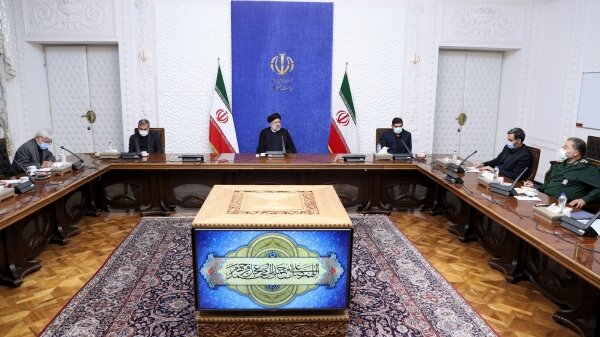
    به گزارش خبرگزاری مهر، حجت الاسلام سید ابراهیم رئیسی عصر پنج‌شنبه در اولین نشست شورای اجتماعی کشور در دولت سیزدهم، گفت: به طور طبیعی همه جوامع کم و بیش مبتلا به آسیب‌های اجتماعی هستند، اما این آسیب‌ها حتی در سطح محدود به هیچ وجه زیبنده نظام اسلامی نیستند.

    وی آسیب‌دیدگان اجتماعی را بخشی از عائله و خانواده مملکت دانست و افزود: باید از مبتلایان به آسیب‌های اجتماعی حمایت و به فکر درمان آنها بود. باید علل شیوع آسیب‌های اجتماعی و گرفتار شدن افراد به این آسیب‌ها را با راهکارهای علمی و آکادمیک بررسی و رفع نمود.

    رئیس‌جمهور اظهار داشت: نگاه تمامی دستگاه‌ها باید معطوف به نجات آسیب‌دیدگان اجتماعی باشد و آسیب‌های اجتماعی را به مثابه ویروسی ببینیم که اگر مانند ویروس کرونا با آن مقابله نشود، به دیگران سرایت کرده و مشکل ایجاد می‌کند.

    رئیسی خاطر نشان کرد: در برابر آسیب‌های اجتماعی نیاز به اقدام هماهنگ و هم‌افزا داریم و باید مشارکت مردم و سازمان‌های مردم نهاد را نیز جذب نمود.

    وی گفت: همه نهادها باید گزارش عملکرد خود از اجرای تکالیف قانونی در مقابله و درمان آسیب‌های اجتماعی را ارائه کنند. آمار ارائه شده در گزارش عملکرد نهادهای مختلف حاکی از موفقیت در عمل به تکالیف قانونی آنهاست، اما وقتی به وضعیت جامعه نگاه می‌کنیم چیز دیگری می‌بینیم و این نگران‌کننده است.

    رئیس‌جمهور مقابله با آسیب‌های اجتماعی را وظیفه اخلاقی، دینی و قانونی نظام حکمرانی دینی برشمرد و اضافه کرد: دستگاه‌های مختلف مسئول در برابر آسیب‌های اجتماعی باید با تمرکز بر علل فرهنگی، اجتماعی و اقتصادی بروز این آسیب‌ها خدمات صیانتی و توان‌بخشی ارائه کنند.

    رئیسی تأکید کرد: عمیقاً به جذب مشارکت مردم اعتقاد دارم. اگر در مقابله با کرونا تدبیر رهبری در به میدان آوردن مردم نبود، امروز وضعیت مناسبی در این زمینه نداشتیم و لذا دولت باید با ایفای نقش حمایتی، هدایتی و نظارتی، ظرفیت نهادهای مختلف و مردم را در عرصه مقابله با آسیب‌های اجتماعی به شکل هم‌افزا به میدان بیاورد.

    وی با بیان اینکه عملکرد دستگاه‌های مختلف در زمینه اجرای تکالیف قانونی در برابر آسیب‌های اجتماعی باید رصد شود، اظهار داشت: اگر دستگاهی به تکالیف خود عمل نکرده باید علت آن مشخص شود و شورای اجتماعی کشور، موظف است عملکرد دستگاه‌ها را در این زمینه ارزیابی کند.

    رئیس جمهور ادامه داد: شورای اجتماعی کشور وظیفه دارد، پس از ارزیابی عملکرد دستگاه‌ها، برای جبران کم‌کاری‌ها زمان تعیین کند تا همه دستگاه‌ها بدانند که عمل به تکالیف قانونی در عرصه مقابله با آسیب‌های اجتماعی ضمانت اجرا دارد.

    رئیسی تصریح کرد: انجام کار خوب از همه پسندیده است و از دولت، دستگاه‌های دولتی و کارکنان دولت و در کل هر دستگاه و نهادی که به حکومت و نظام اسلامی مرتبط و متصل است، پسندیده‌تر؛ لذا عملکرد کارکنان این بخش‌ها باید در نگاه مردم بهترین و پسندیده‌ترین باشد و کارکنان دستگاه‌های حاکمیتی نباید نسبت به بایدها و نبایدها چه در عرصه شخصی و چه اداری بی‌توجه و بی‌تفاوت باشند.

    وی خاطرنشان کرد: مدیران و مسئولان دستگاه‌ها و نهادهای دولتی و حکومتی، باید مراقب باشند و به کارکنان خود تذکر دهند که عملکرد آنان در نظر مردم بد جلوه نکند، چرا که دستگاه‌های حکومتی در زمینه عمل به بایدها و نبایدها در خط مقدم هستند.

    رئیس‌جمهور گفت: همه بخش‌های فرهنگ‌ساز کشور از نظام تعلیم و تربیت، رسانه‌ها، بخش‌های رفاه و خدمات اجتماعی و انتظامی کشور، باید همراه، هماهنگ و هم‌افزا عمل کنند.

    رئیسی اظهار داشت: در تدوین برنامه هفتم توسعه کشور باید موضوع رفع آسیب‌های اجتماعی و صیانت از جامعه در برابر این آسیب‌ها را به شکل جدی مد نظر قرار داد و یکی از محورهای تنظیم این برنامه باید کاهش رفع این آسیب‌ها باشد.

    وی پیش‌بینی، پیشگیری و درمان آسیب‌های اجتماعی را وظیفه همه بخش‌های حکومت عنوان و تصریح کرد: آسیب‌های اجتماعی با سرمایه اجتماعی رابطه متقابل دارند و هر چه آسیب‌های اجتماعی کاهش یابند سرمایه اجتماعی تقویت خواهد شد.

    رئیس‌جمهور اظهار امیدواری کرد تا با تقویت فرهنگ دینی و سبک زندگی ایرانی – اسلامی و رفع مسائل و مشکلات اقتصادی، شاهد کاهش هر چه بیشتر آسیب‌های اجتماعی باشیم.

    در این جلسه که بیش از ۲ ساعت به طول انجامید اعضای شورا به بحث و بررسی درباره عملکرد دستگاه‌ها در زمینه مقابله با آسیب‌های اجتماعی و راهکارهای صیانت از جامعه پرداختند و برنامه‌های متعددی در زمینه مقابله با حاشیه‌نشینی، اعتیاد و حمایت از خانواده و کاهش طلاق به تصویب اعضا رسید.


    اخبار سیاسی |

  • دولت برای رفع مشکل کم‌آبی برنامه کوتاه مدت و بلند مدت دارد

    دولت برای رفع مشکل کم‌آبی برنامه کوتاه مدت و بلند مدت دارد

    به گزارش خبرگزاری مهر، حجت‌الاسلام سید ابراهیم رئیسی صبح امروز (پنج‌شنبه) در ادامه نشست با مجامع استانی نمایندگان مجلس شورای اسلامی در دیدار نمایندگان استان‌های اصفهان، سمنان و قم، گفت: مهم‌ترین مسأله‌ای که در این دیدار مطرح شد ابراز نگرانی نسبت به کمبود آب بود که دولت در دو سطح کوتاه مدت و بلندمدت اقدامات و برنامه‌هایی برای رفع آن تدارک دیده است.

    وی همچنین درباره مسأله احیای زاینده‌رود اظهار داشت: به رئیس مرکز بررسی‌های استراتژیک ریاست جمهوری مأموریت دادم مطالعات علمی در این زمینه را آغاز کنند. کمیته و کارگروه فعالی برای رسیدگی به این مسأله تشکیل خواهد شد تا احیای زاینده‌رود و رفع مشکل مربوط به آن مثل فرونشست زمین در مناطق مرکزی کشور به طور دقیق مورد بررسی قرار گرفته و یک طرح علمی و عملیاتی برای رفع آن تهیه شود.

    رئیس‌جمهور با تأکید بر اینکه هرگونه توسعه در کشور فرع بر حفظ محیط زیست خواهد بود، تصریح کرد: موضوع آلایندگی حتماً باید مورد رسیدگی دقیق قرار گیرد.

    رئیسی در ادامه با بیان اینکه متأسفانه نظام پیچیده اداری کشور باعث ایجاد تردید در سرمایه‌گذاران می‌شود، گفت: بهترین راهکار برای رفع موانع کسب و کار این است که موضوع به شکل مصداقی مطرح شده و مشکلات برطرف شوند. برای تسهیل راه‌اندازی کسب و کار به اندازه کافی قانون وجود دارد و مشکل عدم اجرای قوانین است.

    وی به تصویب قانون حمایت از خانواده در مجلس اشاره و اضافه کرد: دولت حتماً این قانون جدید را اجرا خواهد کرد.

    رئیس‌جمهور در بخش دیگری از سخنانش نگاه حاکم بر تنظیم بودجه سال ۱۴۰۱ را اصلاح ساختار و نظام بودجه‌ریزی کشور با هدف اجرای عدالت و مبتنی بر سند آمایش سرزمینی کشور و فارغ از چانه‌زنی برای تخصیص بودجه عنوان کرد.

    رئیسی با بیان اینکه شرایط کشور حساس اما رو به بهبود است، تصریح کرد: دشمن اقرار می‌کند که با وجود این مجلس و دولت در پیشبرد اهداف خود ناکام مانده است و با هماهنگی و هم‌افزایی دستگاه‌های مختلف می‌توانیم بر همه مشکلات غلبه کنیم.

    وی خاطر نشان کرد: همه باید تلاش کنیم در ماه‌های باقیمانده از سال ۱۴۰۰ از افزایش هزینه‌ها جلوگیری شود. بودجه سال ۱۴۰۱ به شکلی در حال تنظیم است که کسری بودجه نداشته باشیم تا تورم مهار شده و در نتیجه فشارهای اقتصادی کاهش یابد.

    رئیس‌جمهور تأکید کرد: رنج مردم، رنج ماست و بنده هیچ شبی را فارغ از دغدغه گزارش‌هایی که در طول روز دریافت می‌کنم، نگذرانده‌ام.

    پیش از سخنان رئیس جمهور نمایندگان استان‌های اصفهان، سمنان و قم نیز به بیان دغدغه‌های خود در زمینه مشکلات معیشتی، کم‌آبی، اشتغال، مشکلات زیست‌محیطی و ضرورت اجرای عدالت در نظام پرداخت حقوق پرداختند.

    تسریع در تعیین تکلیف و تثبیت مدیران کشور، کنترل قیمت‌ها، استفاده از ظرفیت‌های اقتصادی روستاها، تأمین زیرساخت‌های لازم برای استفاده از ظرفیت‌های معدنی در مناطق کویری، نظارت دقیق‌تر بر اجرای قانون به ویژه در پرداخت حقوق در مؤسسات عمومی غیردولتی و ضرورت اصلاح نظام اداری از دیگر مسایلی بود که نمایندگان در این جلسه به آنها اشاره کردند.

    استانداران قم، سمنان و اصفهان نیز در این جلسه یکی از راهکارهای تسریع در حل مشکلات استان‌ها را تفویض بیش از پیش اختیار به استانداری‌ها عنوان کردند.


    اخبار سیاسی |

  • رئیس‌جمهور با جمعی از اقتصاددانان دیدار و گفتگو می‌کند

    رئیس‌جمهور با جمعی از اقتصاددانان دیدار و گفتگو می‌کند

    به گزارش خبرگزاری مهر، در ادامه نشست های تخصصی با نخبگان و کارشناسان حوزه‌های مختلف، حجت الاسلام سید ابراهیم رئیسی رئیس‌جمهور امشب (سه شنبه) میزبان تعدادی از اقتصاددانان کشور خواهد بود.

    در این نشست قرار است پیرامون مهمترین موضوعات اقتصادی بحث و تبادل نظر شود.

    بر اساس این گزارش، ۲۹ مهرماه نیز رئیس جمهور در نشستی تخصصی میزبان جمعی از فعالان حوزه صادرات بود.


    اخبار سیاسی |

  • حرکت از خام‌فروشی به صادرات‌محوری از مسائل مهم دولت است

    حرکت از خام‌فروشی به صادرات‌محوری از مسائل مهم دولت است

    به گزارش خبرگزاری مهر به نقل از پایگاه اطلاع‌رسانی ریاست‌جمهوری، سیدابراهیم رئیسی، رئیس‌جمهور صبح امروز همزمان با روز ملی صادرات در نشستی که بیش از ۲ ساعت و نیم به طول انجامید، با جمعی از صادرکنندگان موفق کشور دیدار کرده و پای سخنان و نظرات آنان نشست.

    در این دیدار ۱۸ نفر از صادرکنندگان در سخنانی به تشریح نظرات و مشکلات پیش روی فعالیت‌هایشان پرداخته و اظهارامیدواری کردند تغییر نگرشی که با روی کار آمدن دولت سیزدهم در عرصه صادرات و تولید احساس می‌شود، تعمیق شود و تداوم یابد.

    رئیس‌جمهور نیز برگزاری این نشست را در روز ملی صادرات پیام گویای حمایت دولت از صادرات و تولید توصیف و تأکید کرد: توسعه تجارت با همسایگان و کشورهای منطقه اولویت سیاست خارجی دولت سیزدهم بوده و ساز و کار مناسب پیگیری و اجرای این سیاست در وزارت امور خارجه طراحی و عملیاتی شده است.

    رئیسی، ثبات در تصمیمات، حرکت از خام‌ فروشی به صادرات محصولات با ارزش افزوده بالا، بازنگری و تقویت بخش حمل و نقل جاده‌ای، ریلی، دریایی و هوایی، صیانت خودِ صادرکنندگان از سلامت عرصه صادرات و بازرگانی و فعال کردن ساختارها و تشکیلات حمایتی موجود از بخش صادرات و تجارت را از جمله مسائل مهم مورد نظر دولت برای تسهیل، تقویت و حمایت از صادرات برشمرد.

    تکمیل می‌شود…


    اخبار سیاسی |

  • Ra’isi: The government is determined to use the views of all walks of life, especially the clergy

    Ra’isi: The government is determined to use the views of all walks of life, especially the clergy

    The head and members of the militant clergy community met with the president on Tuesday night and stressed their support for the 13th government.

    According to ISNA, Ayatollah Seyyed Ibrahim Ra’isi in this meeting, emphasizing the government’s efforts to have a close and sincere relationship with the scholars and intellectuals of the seminary and the university, said: It is determined to use the sympathetic views and opinions of all strata, especially the clergy, in advancing the affairs of the country and resolving the problems and concerns of the people.

    The President emphasized: The government, in addition to confronting the corona and trying to solve the people’s livelihood problems, is seriously pursuing the promotion of the cultural and religious values ​​of the society.

    “The clergy have always been trusted and the people continue to trust them to solve their problems, and we must use this trust to address the concerns of the people in various economic and cultural sectors,” Raisi added.

    The President said: “According to the statement of the second step of the revolution, we are determined to move in the direction of creating change and accelerating the progress of the country.

    Raisi added: “Despite all the problems, I see a very promising future and we are determined to create suitable conditions in the living conditions of the people by creating different openings.”

    In this meeting, Ayatollah Movahedi Kermani and a group of members of the militant clergy community, in separate speeches praising the revolutionary and popular spirit of Ayatollah Ra’isi in addressing the problems of the people and managing the affairs of the country, emphasized their support for the government. >

    End of message

  • وضعیت اورژانسی دیپلماسی عمومی/ لزوم تقویت رسانه‌ایِ وزارت خارجه

    وضعیت اورژانسی دیپلماسی عمومی/ لزوم تقویت رسانه‌ایِ وزارت خارجه

    خبرگزاری مهر، گروه سیاست- محمد مهاجرانی: با روی کار آمدن دولت سیزدهم به ریاست حجت‌الاسلام رئیسی، انتظارات جامعه در حوزه‌های مختلف وارد سطح متفاوتی شده است.

    مردم از رئیس‌جمهور و دولتمردان جدید انتظار دارند بر خلاف دولت گذشته با تلاش مضاعف بتوانند کشور را از مشکلات مختلف نجات دهند و از این طریق بتوانند اعتماد آسیب دیده‌ی مردم را ترمیم کنند، موضوعی که مقام معظم رهبری در دیدار با اعضای هیئت دولت بر آن تاکید کردند و گفتند: «مسئله‌ی احیای اعتماد مردم و امید مردم هم بسیار چیز مهمّی است؛ چون اعتماد مردم بزرگ‌ترین سرمایه‌ی دولت است.»

    ایشان در ادامه تصریح کردند: «مردم وقتی به شما اعتماد کردند و امید به شما داشتند، با شما راه می‌آیند و کمک‌تان می‌کنند؛ این بزرگ‌ترین سرمایه است برای دولت که بتواند اعتماد مردم را جلب کند که البته این متأسفانه یک مقداری آسیب دیده و بایستی ترمیم کنید این را و راهکارش هم این است که حرف و عمل مسئولین یکی باشد.»

    بدون تردید یکی از بازوهای دولت برای گره‌گشایی از مشکلات و احیای امید مردم، دستگاه سیاست خارجی است.

    آیت الله خامنه‌ای در همین دیدار در رابطه با عرصه دیپلماسی تاکید کردند: «باید تحرک ما در عرصه‌ دیپلماسی افزایش پیدا کند و مضاعف شود.»

    به همین دلیل بود که رئیس‌جمهور، حسین امیرعبداللهیان را بهترین گزینه برای اجرای سیاست‌های دولت در عرصه دیپلماسی از جمله سیاست خارجی متوازن، توسعه روابط با همسایگان، خنثی‌سازی تحریم‌ها و توسعه دیپلماسی اقتصادی، دانست و به این ترتیب وزارت امور خارجه به عنوان پیشانی سیاست خارجی کشور به یک دیپلمات نسبتا جوان اما با تجربه‌ای درخشان در عرصه‌های مختلف دیپلماتیک سپرده شد.

    وضعیت اورژانسی دیپلماسی عمومی/ لزوم تقویت رسانه‌ایِ وزارت خارجه

    امیرعبداللهیان نیز از همان نخست نشان داد که در کارش جدی است و تنها چند ساعت پس از حضور در وزارت امور خارجه عازم بغداد و دمشق شد. او همچنین در روزها و هفته‌های بعد به دوشنبه، نیویورک، مسکو، بیروت و مجددا دمشق سفر کرد.

    وی در روزهایی که در تهران حضور داشت نیز مستمرا با همتایان خود و سایر مقامات خارجی دیدار و یا به صورت تلفنی گفتگو کرده است. همچنین در چند نوبت مختلف مواضع کشورمان را در خصوص ادامه فرآینده مذاکرات هسته‌ای اعلام و تاکید کرد «بر خلاف دولت قبل، آینده کشور به مذاکرات گره نخورده است و بایستی طرف‌های غربی حسن نیت خود را نسبت به ایران نشان دهند.»

    در فتنه جدید صهیونیست‌ها که با تحریک سردمداران جمهوری آذربایجان در مرزهای شمال غربی کشورمان درست شد نیز، امیرعبداللهیان فعالانه حاضر شد.

    حواشی عجیب برای کتمان دستاوردهای وزارت امور خارجه

    اما به نظر می‌رسد یک جای کار لنگ می‌زند، چرا که در جریان فعالیت‌های فشرده وزیر امور خارجه به جای اینکه دستاوردها و جزئیات به اطلاع مردم برسد، بیشتر حواشی عجیب برای تخریب شخص وزیر به چشم می‌خورد.

    این حواشی از اولین سفر خارجی امیرعبداللهیان، که به منظور شرکت در نشست منطقه‌ای بغداد با سفر به عراق انجام گرفت، آغاز شد؛ حاشیه‌هایی همچون جایگاه ایستادن او در صف مقامات، انتشار شایعه‌ای درباره قهر حاکم دبی و نوع تکلم عربی وزیر خارجه.

    این موضوع در اولین سفر علی باقری، معاون سیاسی وزیر امور خارجه به کشورهای منطقه نیز برقرار بود.

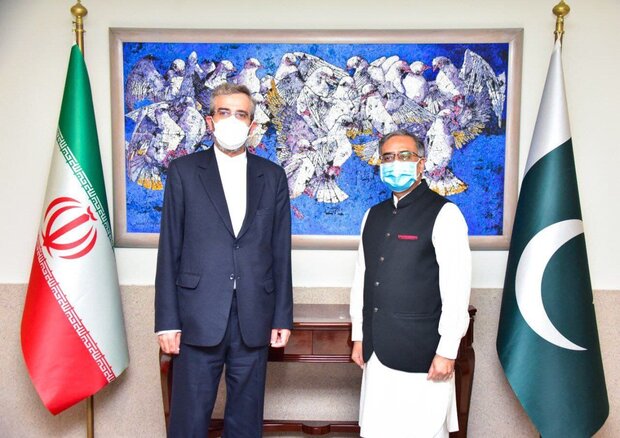
    باقری در اولین سفر خارجی خود به کشورهای قطر، عمان، پاکستان و ترکیه رفت و چندین دیدار و نشست مهم با مقامات این کشورها داشت و نشان داد که در دستگاه سیاست خارجی جدید، معاون سیاسی صرفا معاون امور برجام نیست و با یک نگاه بالاتر، خود را مسئول پیگیری کلیه امور سیاسی علی الخصوص چالش‌های منطقه‌ای می‌داند.

    وضعیت اورژانسی دیپلماسی عمومی/ لزوم تقویت رسانه‌ایِ وزارت خارجه

    در سفر مهم معاون سیاسی وزارت امور خارجه نیز ضعف سیستم اطلاع رسانی کاملا مشهود بود و به جز چند خبر کوتاه به جزئیات اشاره‌ای نشد. این در حالی است که رسانه‌های کشورهای منطقه از جمله پاکستان به تفصیل به سفر باقری پرداختند اما در داخل ایران آنچه که از این سفرها به چشم خورد، نصب وارونه پرچم کشورمان در یکی از این دیدارها بود!

    البته بنابر توضیح سفارت اسلام آباد در تهران، این موضوع به صورت اتفاقی رخ داد و فورا نیز مورد اصلاح قرار گرفت اما آنچه حائز اهمیت است، پررنگ شدن حاشیه‌ها به جای متن دستاوردهای مهم سفر آقای معاون است.

    ضعف رسانه‌ای سفارتخانه‌های ایران و پاسخ مبهم آقای سخنگو

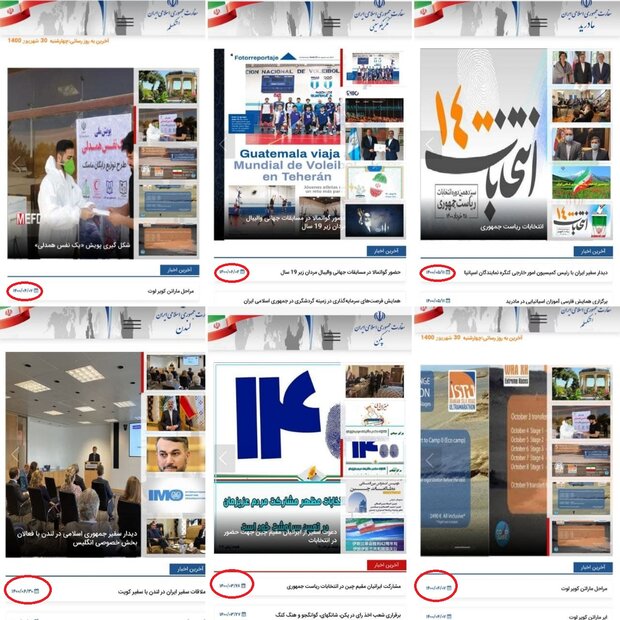
    اما بنا بر پیگیری خبرنگار مهر، این مساله تنها به شیوه اطلاع‌رسانی سفرهای مقامات وزارت امور خارجه ختم نمی‌شود بلکه دفاتر نمایندگی جمهوری اسلامی در نقاط مختلف دنیا نیز دچار ضعف و کم‌کاری در حوزه رسانه و اطلاع رسانی هستند. بررسی تصادفی وضعیت وب‌سایت برخی از سفارتخانه‌های خارجی کشورمان، حکایت از ضعف و عدم وجود مطالب به‌روز در این سایت‌ها دارد.

    صفحات مجازی این سفارتخانه‌ها در سایر بسترهای رسانه‌ای از جمله توئیتر یا اینستاگرام نیز غیرفعال هستند یا با تاخیر به روزرسانی می‌شوند، در حالی که در طرف مقابل برخی از سفارتخانه‌های خارجی در تهران از طریق همین بسترها علاوه بر معرفی کشورهای متبوع خود، سعی در برقراری ارتباطات فرهنگی و اجتماعی دارند.

    این موضوع در نشست خبری روز دوشنبه (۱۹ مهر) سعید خطیب‌زاده سخنگوی وزارت امور خارجه مورد پرسش و انتقاد یکی از خبرنگاران حاضر قرار گرفت. این خبرنگار در خصوص عدم بروزرسانی صفحات اجتماعی کنسولگری کشورمان در اقلیم کردستان عراق از خطیب‌زاده سوال پرسید و سخنگوی وزارت امورخارجه نیز صرفا به پاسخی کلی بسنده کرد و گفت: «این موضوع را بررسی خواهیم کرد!»

    وضعیت اورژانسی دیپلماسی عمومی/ لزوم تقویت رسانه‌ایِ وزارت خارجه

    بی‌عملی رسانه‌ای شورای عالی ایرانیان خارج از کشور

    معاونت کنسولی، امور مجلس و ایرانیان نیز یکی دیگر از بسترهای مهمی است که در اندیشه دیپلماسی رئیس‌جمهور و وزیر امور خارجه نقش مهمی دارد چراکه از سخنان رئیس‌جمهور، اینگونه برداشت می‌شود که دولت، حساب ویژه‌ای برای مشارکت هم‌وطنان خارج از کشور در امور جاری و توسعه دیپلماسی عمومی باز کرده است.

    رئیس در اولین نشست خبری خود در جمع خبرنگاران در این خصوص گفت: «در ابتدای دولت خواهیم گفت که همه زمینه‌ها برای بازگشت ایرانیان خارج از کشور فراهم خواهیم کرد زیرا دولت خود را مؤظف می‌داند که در این باره کارهایی را انجام دهد.»

    بنابر عقیده کارشناس برای استفاده حداکثری از ظرفیت ایرانیان خارج از کشور لازم است مجددا شورای عالی ایرانیان خارج از کشور در جایگاه بالاتر و مجددا ذیل ریاست‌جمهوری تشکیل شود و اگر نیز تصمیم بر باقی ماندن این نهاد در وزارت امور خارجه باشد، باید سازوکار جدیدی و کارآمدی برای آن ایجاد شود؛ سازوکاری همراه با پیوست‌های رسانه‌ای و اطلاع‌رسانی چراکه ایرانیان خارج از کشور هیچ ارتباط مجازی جهت آگاهی از آخرین سیاست‌ها و تصمیمات این شورا ندارند.

    به اعتقاد بسیاری از کارشناسان حوزه ارتباطات، فعالیت در فضای مجازی به عنوان یکی از ابزارهای قدرتمند دیپلماسی عمومی، نه تنها باید مورد توجه جدی سفارتخانه‌های خارجی کشورمان قرار گیرد، بلکه لازم است سفرای ایرانی مقیم کشورهای خارجی نیز از ظرفیت شبکه‌های اجتماعی برای توسعه دیپلماسی عمومی استفاده کنند و قبل از عزیمت به محل ماموریت در این خصوص مورد آموزش‌های حرفه‌ای قرار گیرند.

    وضعیت اورژانسی دیپلماسی عمومی/ لزوم تقویت رسانه‌ایِ وزارت خارجه

    برای حرکت پرسرعت یک سیستم، لازم است بین توان همه‌ی اجزا، توازن برقرار شود. برای مثال اگر شخص وزیر امور خارجه پرتوان و با جدیت امور محوله را پیگیری کند اما سیستم اطلاع‌رسانی وزارت امور خارجه نتواند با همین سرعت با وی هم‌قدم شود بدون شک از میان بروز این شکاف، محصولی به جز حاشیه و سردرگمی که منجر به ایراد خدشه به امید و اعتماد مردم است، حاصل نمی‌شود.

    مأموریت‌های ضعیف تیم رسانه‌ای وزات خارجه

    درحال حاضر محوریت اطلاع‌رسانی در وزارت امور خارجه، کانال تلگرامی «سخنگو»، «سایت وزارت امور خارجه» و صفحات مجازی «توئیتر» و «اینستاگرام» است که صرفا بازتاب‌دهنده اخبار مهم و مواضع سخنگوی این وزارتخانه است که در بعضی موارد نیز، سایر رسانه‌ها جلوتر و کامل‌تر از بسترهای مذکور، اخبار دستگاه دیپلماسی را مخابره می‌کنند.

    مقام معظم رهبری، در اولین جلسه با اعضای دولت سیزدهم تاکیدی نیز بر لزوم اطلاع‌رسانی داشتند و در همین راستا گفتند: «گزارش خدمات خودتان را هم به مردم بدهید؛ گزارش صادقانه، بدون مبالغه، بدون بزرگ‌نمایی؛ صادقانه [بگویید] این کارها را انجام داده‌اید. مردمی ‌بودن اینها است؛ اینها جهات مختلف مردمی ‌بودن است»

    لذا به نظر می‌رسد باید هرچه سریع‌تر سیستم اطلاع رسانی دستگاه سیاست خارجی کشورمان دچار تحولی بزرگ شود و صرفا محدود به یک کانال تلگرامی نباشد و توان خود را متوازن با فعالیت‌های وزیر و سایر اعضای جدید وزارت امور خارجه سازد. البته هدف از نگارش این گزارش تاکید بر تغییر اشخاص نیست بلکه تحول و متوازن سازی توان بین همه‌ی اجزای وزارت امور خارجه مدنظر است.


    اخبار سیاسی |

  • Larijani stepped back

    Larijani stepped back

    Some relatives of Ali Larijani, the “executor of the 25-year Iran-China agreement”, announced his resignation from the post several months after Seyed Ibrahim Ra’isi was elected as the head of the 13th government. Decisions were made.

    According to ISNA, for the first time with the visit of the President of the People’s Republic of China Xi Jinping to Iran in 2015, talks were held for a 25-year contract between the two countries in Private circles arose, but four years later no one spoke of the agreement, nor did the media publish any new news about it. And perhaps this was one of the reasons for the cross-sectional transfer of the contract file from the table of the two countries to the document storage drawer, although some theoretical experts argue otherwise.
    Since 2009, with the withdrawal of the United States from the UN Security Council and the imposition of various sanctions against Iran, attention has turned to this unfinished agreement, and the treaty between the two countries was discussed again, leading to the exchange of several draft texts. It was from here that the name of Ali Larijani first came to the attention of observers about this agreement; In August 2009, when he was speaker of the Islamic Consultative Assembly, he announced that Iran had drawn up a 25-year cooperation plan with China. The then President Hassan Rouhani also reviewed and approved the final draft of the 25-year comprehensive cooperation plan between the two countries on July 22, 2016 at a cabinet meeting. At that meeting, the State Department was instructed to sign the program during the final negotiations with the Chinese side, based on long-term mutual interests. Eight months later, on April 27, 1400, the document was signed by Mohammad Javad Zarif and Wang Yi, the foreign ministers of Iran and China.
    With the official announcement of the signing of this agreement, criticism and support for its more or less announced provisions increased; Some argued that Article 77 of the Constitution had been violated and that the agreement was similar to the Qajar treaties, while others defended it, emphasizing that at the current stage of the agreement a strategic framework for cooperation had been developed and did not include the figures in question. And these cases will be developed in the form of specific contracts in the future.
    Apart from criticizing the content and provisions of the agreement, another reason for the media and political currents to pay attention to the agreement was the appointment of Ali Larijani as “executor” by the Islamic Republic. Perhaps one of the first reactions to this issue was made by Gholamreza Mesbahi-Moghaddam, a member of the Expediency Council, who said in an interview that this cooperation document was formed before the sanctions and when the leadership of the revolution sent a special message to China to The Chinese president should hold talks, and before that, there was no determination in the Rouhani administration’s behavior for relations with Russia and China. Following Mesbahi Moghaddam’s speech, Majid Reza Hariri, President of the Iran-China Chamber of Commerce, spoke behind the scenes of a television program about how the signing of this cooperation document progressed and emphasized that Ali Larijani had gone to China on the orders of the revolutionary leadership.
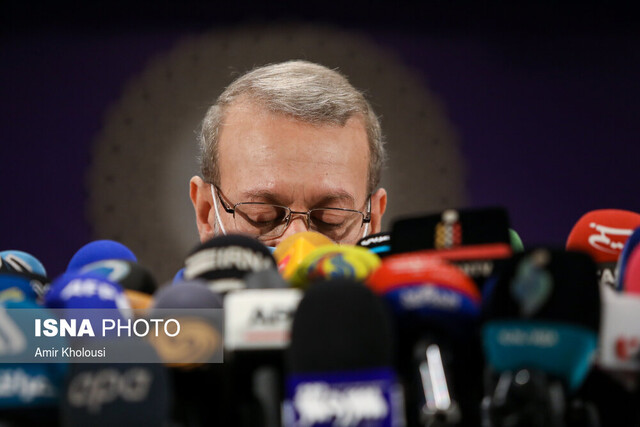
    From then until the beginning of the 1400 elections, a group of analysts had come to believe that due to Larijani’s role in the signing of the cooperation document between Iran and China, as well as the system’s trust in him to advance it, if he attends Elections 1400 could be one of the possible options for the presidency. Larijani registered to run in the election, but the results of his review of his credentials in the Guardian Council may not have been credible for him and his brother Sadegh Amoli Larijani and a number of other analysts, and his credentials were not confirmed by the Guardian Council.
    Larijani then became more concerned with “not being invited”, “remaining silent” and “not being seen” and in a word “not being” rather than commenting or appearing in public. The leadership bit was seen. After that, Ali Larijani waited to send a message of condolence if someone died or to share in the joy of others. Now, almost three months later, it is reported that as soon as Seyed Ibrahim Raisi was elected and the 13th government was formed, he resigned from “executing” a 25-year contract with China. Explaining the move, Larijani said he called for “the new government to be open-minded and for decisions to be centralized and coordinated.”
    The former speaker of parliament and several other institutions and organizations have now come to the conclusion that in fulfilling the agreement with China, he should be content with the “former” adjective and remember his connection with the past and hand over the work to new forces. From now on, in addition to selecting a new executor of the 25-year contract, we will have to wait for new news from the government on the progress of the 25-year contract. Instead of reviewing “new news” about Larijani and his actions, the media will gradually turn to “broadcasting unpublished images” of him or expressing memories of his relatives during and before the parliament.
    End of message

  • Iran will not remain handcuffed / We will negotiate with collective wisdom / We will not leave the West aside

    Iran will not remain handcuffed / We will negotiate with collective wisdom / We will not leave the West aside

    Our Foreign Minister stressed that looking east does not mean leaving the West and we certainly do not want to tie the country to Russia and China, said: Vienna talks and We will carry out the revival of Barjam by relying on collective wisdom.

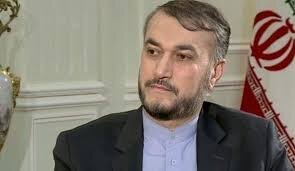
    Hossein Amir-Abdollahian In an interview with ISNA on the sidelines of his recent tour in response to the question that you recently traveled to Moscow and met With the authorities of this country. Given the Thirteenth Government’s view of engagement with Asian countries, including the East, does this mean that engagement with the West has little place in the Thirteenth Government’s foreign policy? Let’s say, balanced foreign policy is under active, dynamic and intelligent diplomacy .

    “Looking at our neighbors and looking at Asia and interacting with countries in the region is a top priority for us in the field of foreign policy,” he said. “Looking at Asia does not mean looking at other regions, including Do not pay attention to the West.

    This high-ranking diplomat of our country continued: One of the features of a balanced foreign policy is to use every opportunity in other areas of the world to ensure the maximum interests of our nation, while paying attention to priorities.

    “I met and consulted with 18 European foreign ministers during my visit to New York,” he said. “This shows that looking east does not mean leaving the West.” But the Westerners should know, and we have explicitly told the Westerners, that we are in the same area with China, Russia and India, and we are in the geography of Asia, and you because of the policies pursued by the United States and the non-fulfillment of your obligations to Iran. You are losing money day by day and you are moving away from investment and interaction programs with Iran in various commercial and economic fields. We have told them that in any case, Iran will not remain closed-minded and will decide and move forward in its own interests.

    “A balanced foreign policy means pursuing an active foreign policy in our interaction with the East and the West and having dynamic diplomacy,” he said. To tie the knot, but to pursue and regulate foreign policy in the interests of both sides, and to the extent that China, Russia, India, or any other country in the world, in the common interests of both sides Have initiatives and we feel that our interests are being served at a very good level. We certainly welcome these ideas and certainly have the opportunity for all countries on different continents and regions, whether in Latin America, Africa or The West or any other area that may be.

    Amir Abdullahian also continued his interview with ISNA reporter in response to the question that you have repeatedly emphasized that the Foreign Ministry will not be the only Foreign Ministry in the 13th government, and on the other hand, you have stated that Iran’s investigations into six rounds The previous Vienna talks are coming to an end and the Vienna talks will start soon. “As you mentioned, we are concluding,” he said. Negotiation has two parts , one of which is policy-making , which is naturally pursued in the Supreme National Security Council . Another part of it is the negotiation , which is one of the inherent duties of the State Department, and the negotiations are naturally pursued in the field of expertise and our senior negotiators in the Political Department of the State Department.

    This high-ranking diplomat of our country stated: The team that will follow this issue in the Ministry of Foreign Affairs, under the management of the Political Deputy of the Ministry of Foreign Affairs and under the direct responsibility of the Minister of Foreign Affairs in this section, will take action We use all the legal, international, economic and political capacities of this ministry both at the level of the Ministry of Foreign Affairs and we use the national capacities in full.

    The Minister of Foreign Affairs stated that we believe that we should work with collective wisdom and in this regard, in the discussion of content production and related issues, we must interact and agree with academics and think tanks. “The issue of negotiations is both highly sensitive at the national level and involves multilateral negotiations,” he said. Therefore, it is necessary to coordinate, consensus and collective wisdom, whether in the field of negotiation, whose responsibility as a senior negotiator will remain in the political deputy of the Ministry of Foreign Affairs, or in the field where ministers should work or in related parts of the system. Thoughts and academia that can provide the necessary support in the legal, technical, economic and commercial fields and other dimensions that these negotiations can have.

    “We do not want to involve the full capacity of the State Department in this,” he said. We have worked in the State Department. Each department must fulfill its inherent duties, and one of our tasks is the subject of Barjam negotiations.

    Amir Abdolhian, in response to the question whether the composition of the negotiating team of the Ministry of Foreign Affairs has been determined, stated: We are finalizing.

    End of message

  • President’s mission to the First Vice President to formulate a mechanism for reviving Jihad Sazandegi missions within 20 days

    President’s mission to the First Vice President to formulate a mechanism for reviving Jihad Sazandegi missions within 20 days

    The President instructed his First Vice President in the form of a working group with the presence of Jihad-e-Sazandegi and deprivation elimination in the country Review and compile.

    According to ISNA, Hojjat-ul-Islam and Muslims On the history of the establishment of constructive jihad by the order of Imam Rahel and the many blessings of this revolutionary institution, he said: “Despite the merger of this institution in the Ministry of Agriculture, the jihadist movement in the country was not stopped due to the revolutionary spirit among the youth and the support and encouragement of the Supreme Leader.” It has always continued in popular, Basij and spontaneous forms.

    The President said: “Today, using the experiences of the past and in the context of the second step of the revolution, we must move on the path of reviving the missions of constructive jihad to solve the roots of the problems of villages and deprived areas and revive the village economy.”

    Emphasizing that having a jihadist spirit among the managers and employees of government agencies is a must, Raisi said: “Having a jihadist and revolutionary spirit among all government officials and managers is an important and effective principle and should always be taken seriously.” Preserve and strengthen.

    The President further mentioned the weakness of the rural economy as one of the important factors of rural migration and creating marginalization around the cities and said: “Today, rural development means activating the rural economy and paying serious attention to the economy of deprived areas, including suburbs.” And this requires a jihadist action.

    Raisi said that jihadist activities should be people-centered and based on popular activities, and called for serious support for jihadist groups. And remove existing obstacles in front of them.

    The President said: “It is necessary to create a stream with a jihadist spirit to create construction and prosperity in the villages with the aim of activating the village economy in order to resolve the problems of the deprived and the villagers with concern.”

    In this meeting, a report was presented on the situation of villages, social issues and rural identity, as well as some infrastructure problems, especially in the field of drinking water and rural housing.

    End of message